Home Backup Power Systems Explained
Learn how to size, compare, and safely integrate portable generators, whole house standby systems, and solar battery backup — without guesswork or sales hype.
100% Satisfied customers
Start With Proper Generator Sizing
Before comparing portable generators, whole house standby systems, or solar battery backup solutions, you must calculate your home’s actual electrical load.
Learn how:
• Starting watts differ from running watts
• Central AC affects generator capacity
• Simultaneous load impacts sizing
• Oversizing wastes fuel
• Under sizing causes overload failures
Systems We Specialize In
Types of Systems We Specialize In
Types of Home Backup Power Systems
Flexible, lower-cost backup power solutions designed to run essential appliances or selected circuits during an outage.
→ Explore Portable Generators
Permanently installed backup power systems that activate automatically during outages and can power the entire home.
→ Compare Whole House Generators
Quiet, renewable energy storage systems that provide seamless backup power for essential circuits.
→ Explore Solar & Battery Backup
Real Reader Feedback
Why Homeowners Trust PowerSystemsLab
Choosing the right home backup power system isn’t about buying the biggest generator.
It’s about understanding:
Load → Capacity → Transfer → Fuel → Safe Operation
PowerSystemsLab explains real electrical principles in clear, practical terms so you can:
• Avoid overspending
• Prevent overload failures
• Reduce fuel waste
• Improve long-term reliability
• Install safely and code-aware
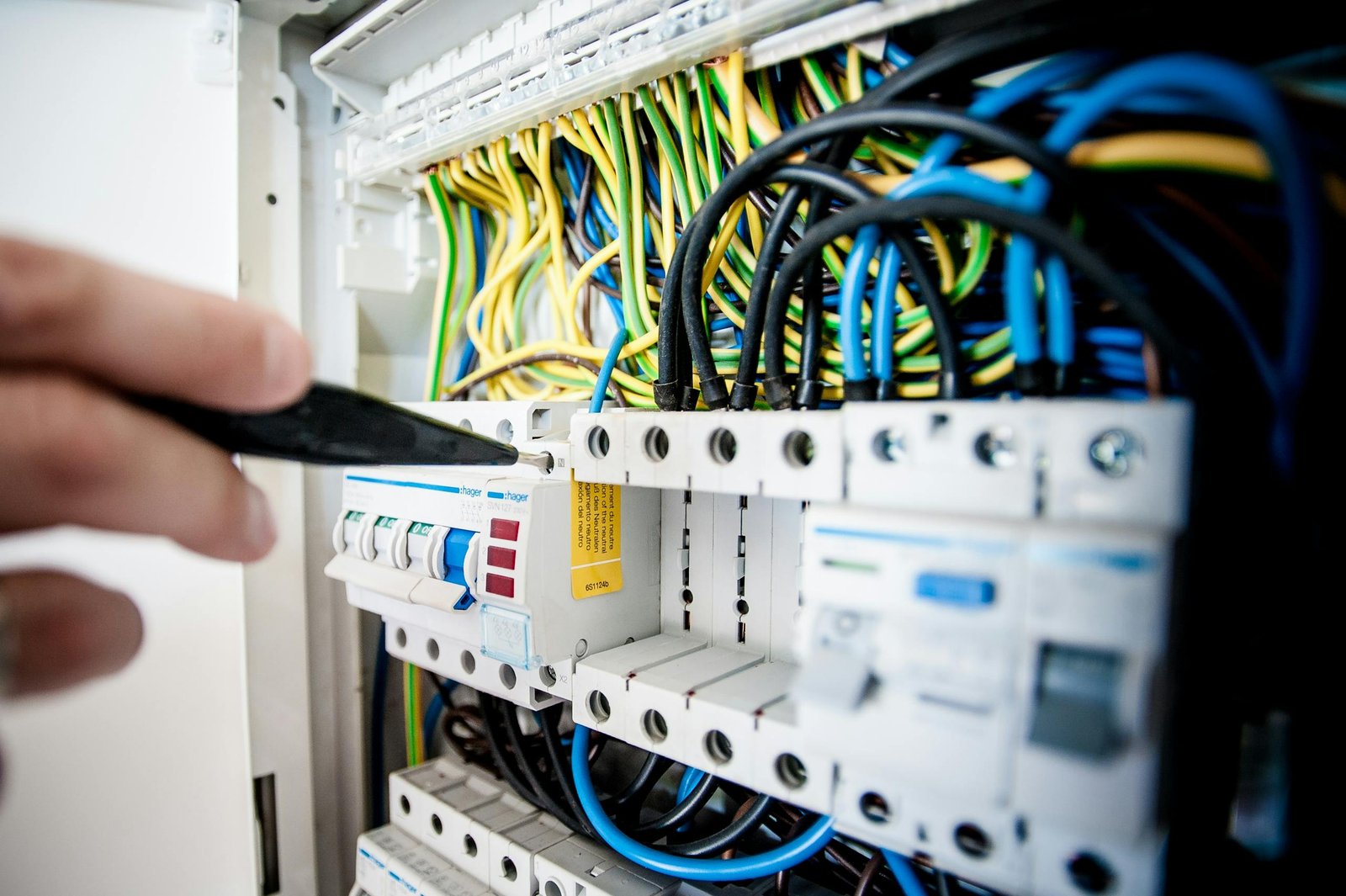 Built on Real Electrical Principles
 Safety and Code Awareness First
 Designed for Long-Term Reliability
 Independent, Structured Product Evaluation
Got Questions?
Choosing the right home backup power system can raise a lot of important questions. Below are clear, straightforward answers to the most common concerns about generator sizing, safety, fuel options, and system integration — so you can make informed decisions with confidence.
See Our Home Power Backup Systems Guide
Ready to Choose the Right Home Backup Power System?
Selecting the wrong generator can lead to overloads, unsafe wiring, wasted fuel, or system failure during an outage.
PowerSystemsLab provides structured, system-level guidance so you can:
• Calculate accurately
• Compare intelligently
• Install safely
• Operate reliably
Explore our complete home backup power system guides and build your setup with confidence.

Your trusted source for clear, system-level home backup power guidance.
Email Us Your Questions:
Navigate
Links to Main Hubs
Main Hubs/Silos
Copyright © 2025 Cornerstone. All rights reserved.