What Size Generator to Run Central AC? (Sizing Guide + Top Picks)
Introduction
Running central air conditioning during a power outage is one of the biggest challenges for homeowners.
Why?
Because AC units require:
- high running power
- very high startup (surge) watts
If you size your generator wrong, your AC simply won’t start — even if the numbers look close.
This post may contain affiliate links. If you purchase through these links, we may earn a commission at no extra cost to you.
Best Generators for Running Central AC
| Generator | Best For | Starting Watts | Check Price |
|---|---|---|---|
| DuroMax XP12000EH | Best Overall | 12000W | 🔘 Check Price on Amazon |
| Westinghouse WGen12500DF | High Output | 15000W | 🔘 Check Price on Amazon |
| Generac GP12500E | Maximum Power | 15000W+ | 🔘 Check Price on Amazon |
| Champion 10000W | Smaller AC | 10000W | 🔘 Check Price on Amazon |
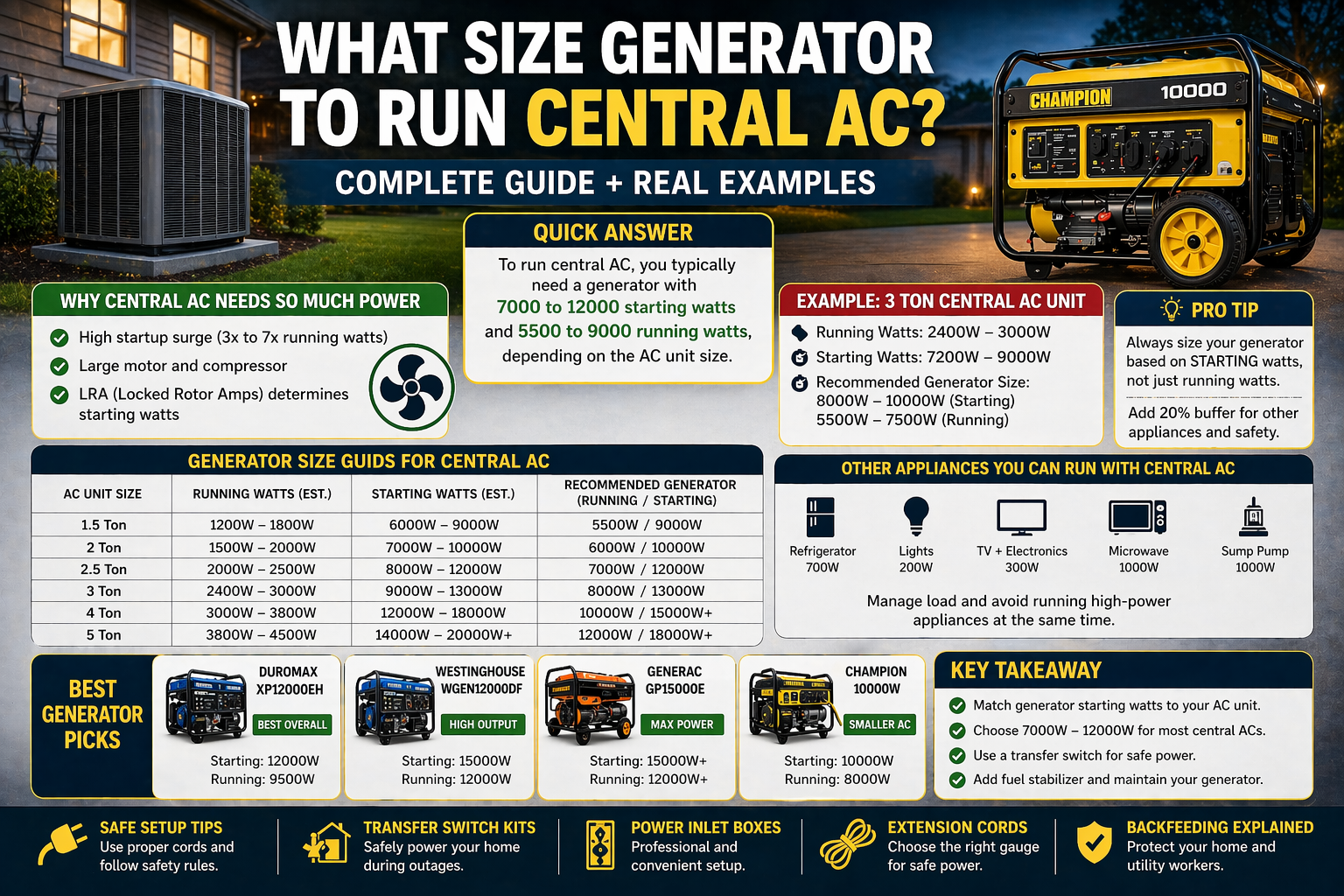
Quick Answer
👉 To run central AC, you typically need:
- 1.5–2 ton AC → 8,000–10,000 watts
- 2.5–3 ton AC → 10,000–12,000 watts
- 3.5–5 ton AC → 12,000–15,000+ watts
⚠️ The most important factor is startup (surge) watts, not just running watts.
Central AC Generator Size Chart
| AC Size | Running Watts | Starting Watts | Generator Size Needed |
|---|---|---|---|
| 1.5 Ton | 3000W | 6000–9000W | 9000–10000W |
| 2 Ton | 3500W | 7000–10000W | 10000–12000W |
| 3 Ton | 4500W | 9000–13000W | 12000–14000W |
| 4 Ton | 6000W | 12000–18000W | 15000W+ |
Real-World Example
Scenario: 3 Ton AC + Essentials
Running:
- central AC (~4500W running)
- refrigerator (700W)
- lights + outlets (300W)
👉 Total running: ~5500W
👉 Surge needed: 10,000–13,000W
✔ You need at least a 12,000W generator
Best Generators for Central AC (Detailed Reviews)
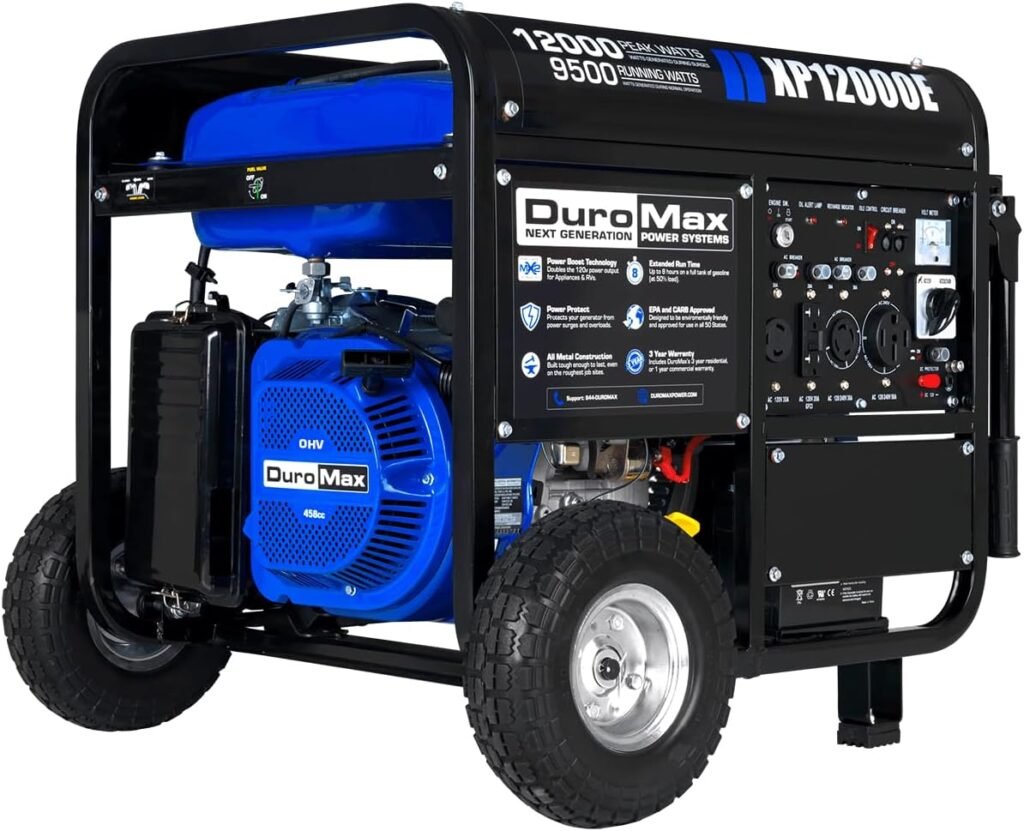
DuroMax XP12000EH (Best Overall)
Real-World Performance
This is one of the most popular generators for running central AC.
It can handle:
- 2–3 ton AC units
- refrigerator + freezer
- sump pump
- lights and outlets
Key Specifications
- Starting Watts: 12000W
- Running Watts: 9500W
- Fuel Type: Dual Fuel
- Runtime: ~8–10 hours
- Outlets: 120/240V
💡 Real Use Case
💡 Can run a 3-ton AC with load management plus essential home circuits.
Why It Stands Out
- strong surge capacity
- dual fuel flexibility
- ideal for AC startup loads
👍 Pros
✔ Handles AC startup surge
✔ Dual fuel
✔ Reliable performance
👎 Cons
✖ Heavy
✖ High fuel usage
👉 Best For
- 2–3 ton AC systems
- partial home backup
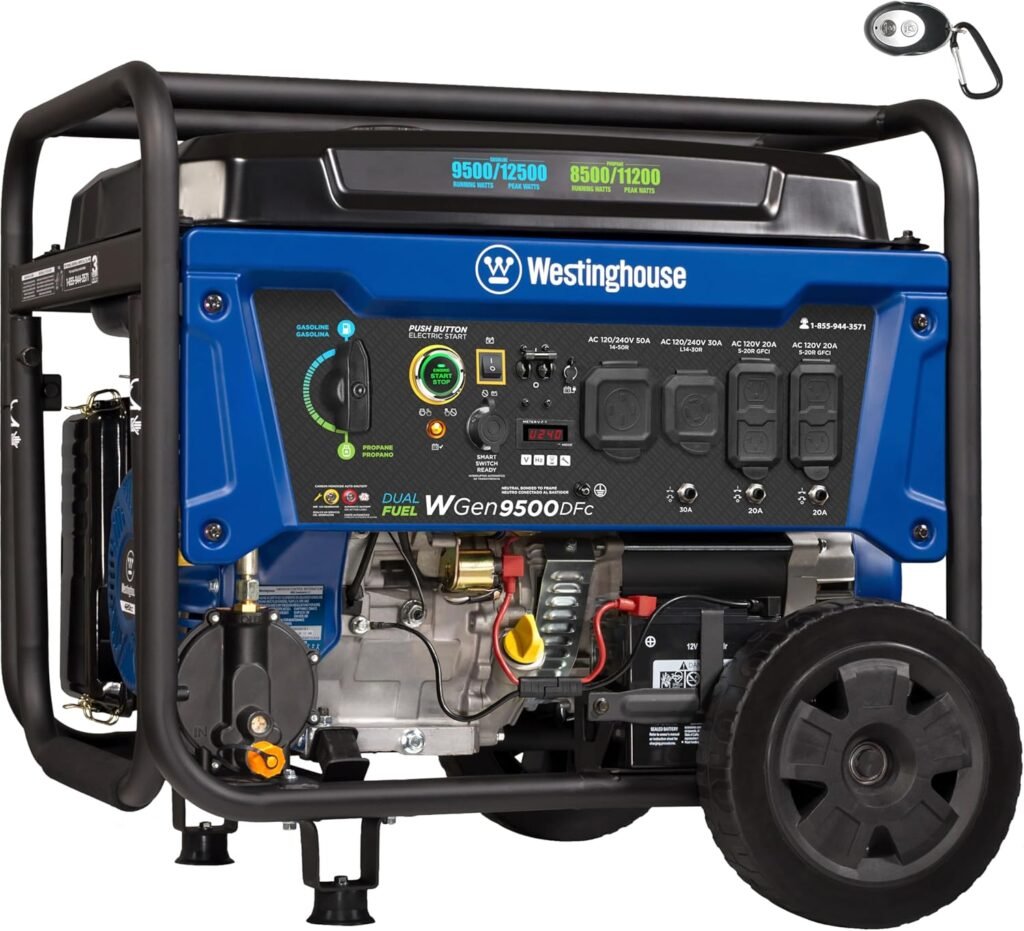
Westinghouse WGen12500DF (High Output Option)
Real-World Performance
Built for larger AC systems and longer outages.
Handles:
- 3–4 ton AC
- multiple appliances
- extended use
Key Specifications
- Starting Watts: 15000W
- Running Watts: 12000W
- Fuel Type: Dual Fuel
- Runtime: ~10–12 hours
💡 Real Use Case
💡 Runs large AC systems and multiple circuits during outages.
Why It Stands Out
- high surge capacity
- long runtime
- flexible fuel
👍 Pros
✔ Very high output
✔ Dual fuel
✔ Long runtime
👎 Cons
✖ Large and heavy
✖ Higher cost
👉 Best For
- large homes
- 3–4 ton AC systems
👉 🔘 Check Price on Amazon
Quick Picks
| Category | Generator | Why It’s Best | Price |
|---|---|---|---|
| Best Overall | DuroMax XP12000EH | AC-ready power | 🔘 Check Price |
| High Output | Westinghouse WGen12500DF | Large AC systems | 🔘 Check Price |
| Maximum Power | Generac GP12500E | Full AC coverage | 🔘 Check Price |
| Smaller AC | Champion 10000W | Budget AC option | 🔘 Check Price |
Generac GP12500E (Maximum Power)
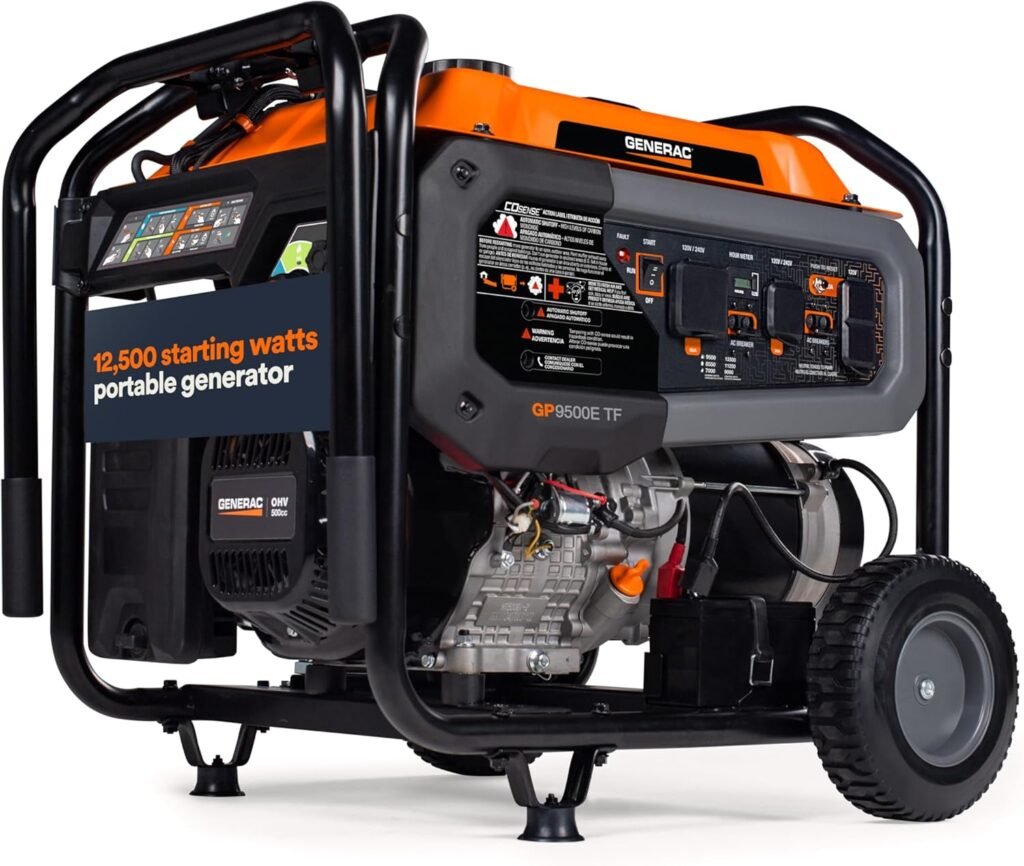
Real-World Performance
Designed for large loads and full-home backup.
It can run:
- large central AC
- multiple circuits
- heavy appliances
Key Specifications
- Starting Watts: 15000W+
- Running Watts: 12000W+
- Fuel Type: Gas
- Runtime: ~10 hours
💡 Real Use Case
💡 Runs large AC units with minimal load management.
👍 Pros
✔ Extremely powerful
✔ Reliable
✔ Whole-home capable
👎 Cons
✖ Expensive
✖ Fuel intensive
👉 Best For
- large homes
- full backup systems
Champion 10000W (Smaller AC Option)
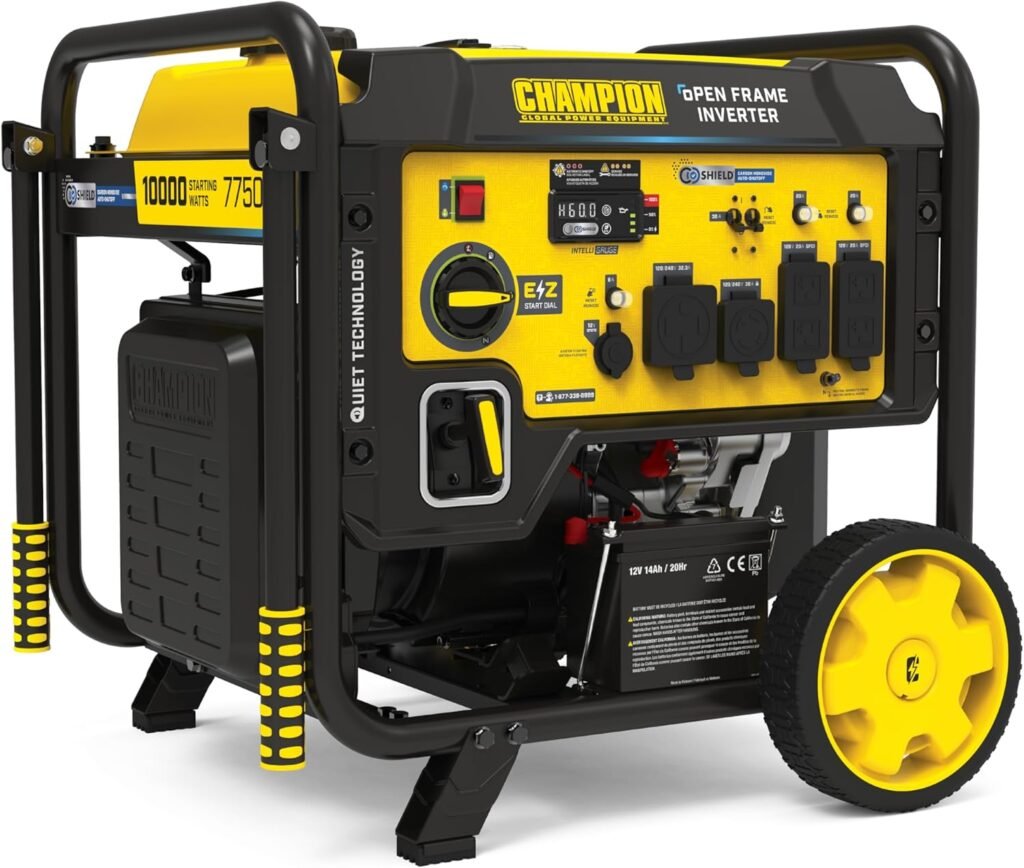
Real-World Performance
A good option for smaller AC systems.
Key Specifications
- Starting Watts: 10000W
- Running Watts: 8000W
💡 Real Use Case
💡 Can run a small central AC with careful load management.
👍 Pros
✔ Affordable
✔ Good for smaller AC
👎 Cons
✖ Limited for larger systems
👉 Best For
- 1.5–2 ton AC systems
Biggest Mistake
👉 Most people size for running watts only
But AC units require:
⚡ 2–3x startup surge
👉 Learn more:
Starting vs Running Watts Guide
Safe Setup (Very Important)
To run central AC safely:
- use a transfer switch
- install a power inlet box
- avoid backfeeding
👉 Read:
Best Generator Transfer Switch Kits
Best Generator Power Inlet Box
Backfeeding Explained
Complete Setup
- 🔌 Best Extension cords
- ⚡ Best Transfer switch
- 🧱 Best Inlet box
- ⛽ Best Fuel stabilizer
- 🛡 Best Generator cover
FAQ
Can a 7500 watt generator run central AC?
Usually no, unless it’s a very small unit.
What size generator for a 3 ton AC?
👉 Typically 12,000–14,000 watts
Can I run AC and other appliances?
Yes, but you must manage load carefully.
Is dual fuel better for AC?
Yes — gives flexibility during outages.
Final Recommendation Table
| If You Have… | Generator Size Needed |
|---|---|
| Small AC (1.5–2 ton) | 9000–10000W |
| Medium AC (2–3 ton) | 10000–12000W |
| Large AC (3–5 ton) | 12000–15000W+ |
Conclusion
Running central AC on a generator is possible — but only if you size it correctly.
👉 For most homes, a 10,000–12,000 watt generator is the minimum for AC use.